How to Use LBIK Kit for Firefighters
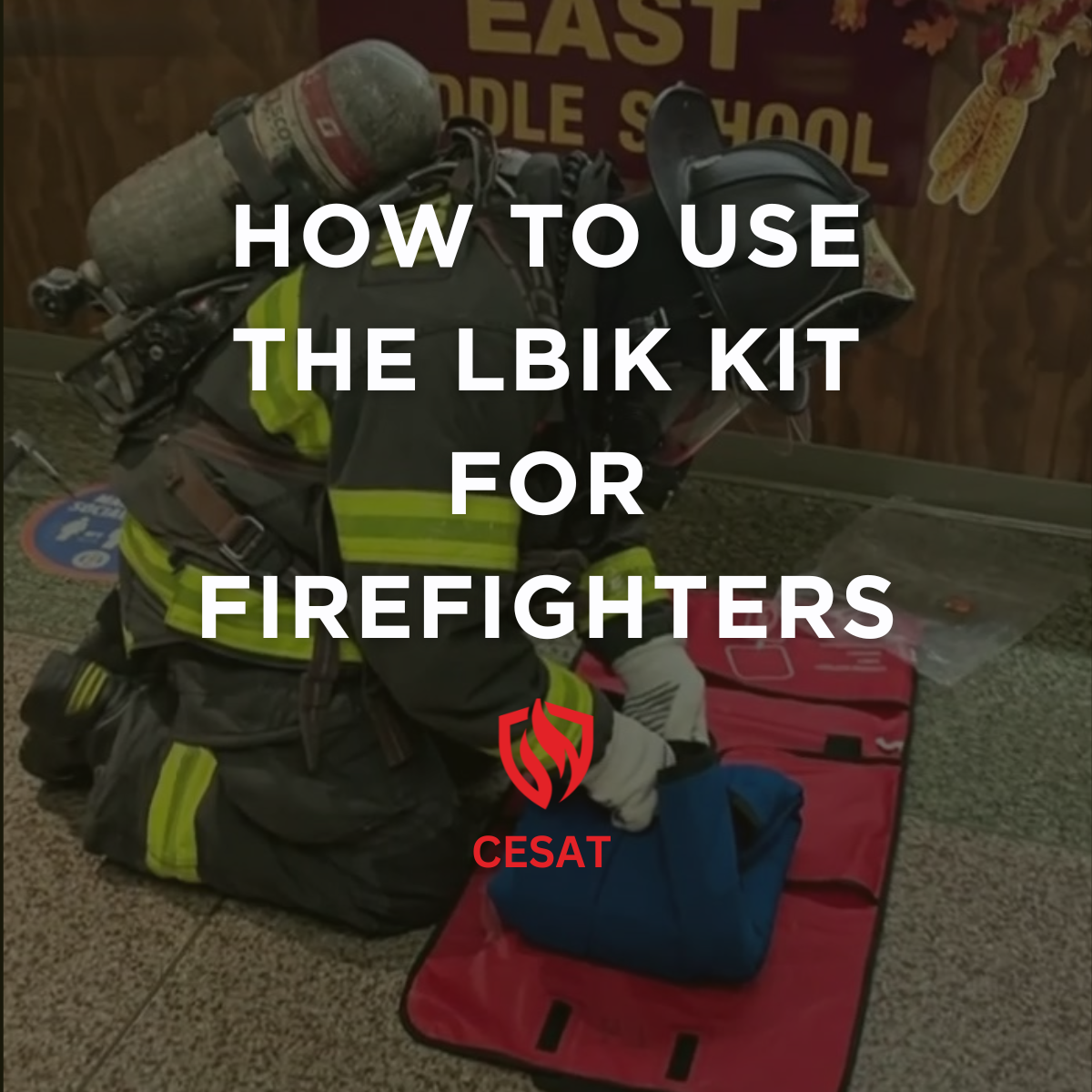
Lithium Battery Isolation & Containment Procedure
Lithium-ion batteries—especially in laptops, tablets, phones, and small appliances—can reignite unexpectedly and enter thermal runaway multiple times. This procedure outlines how firefighters should safely deploy the LBIK kit to isolate, contain, and remove compromised devices.
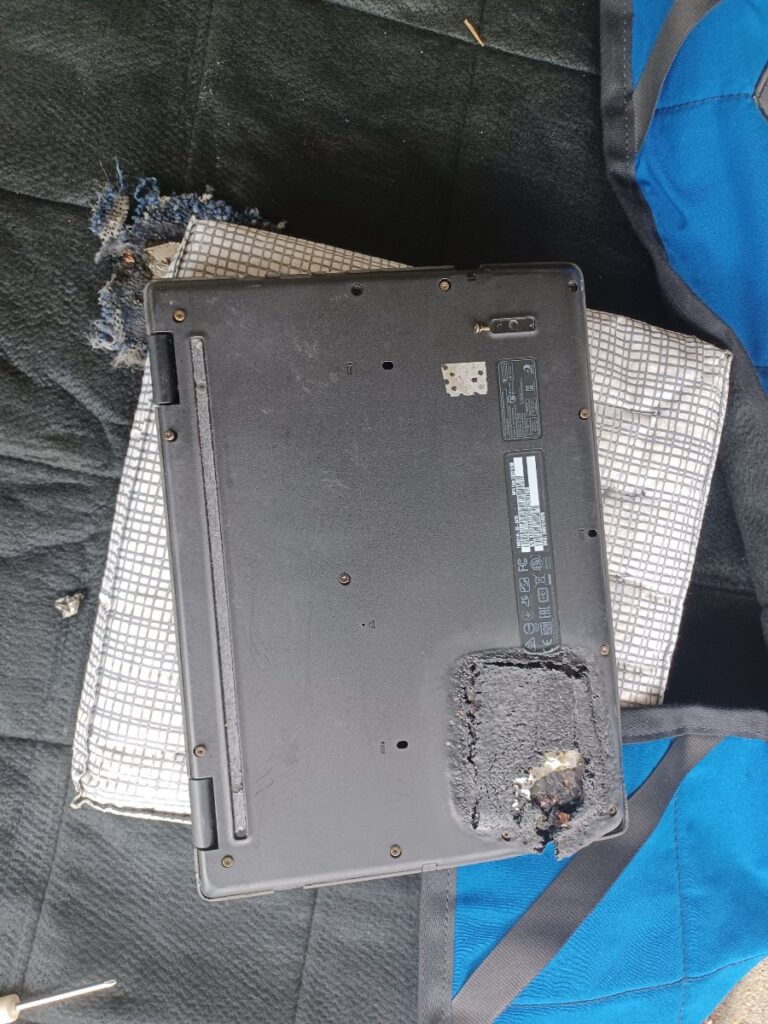
1. Evacuate the Immediate Area
- Clear civilians and non-essential personnel.
- Establish a safe perimeter around the device.
- Treat the area as a potential hazard zone due to possible fire, off-gassing, or explosion.
2. Ensure Full PPE Compliance
- Firefighters must be wearing full structural PPE, including SCBA if there is smoke, off-gassing, or suspected battery failure.
- Remember: small devices like phones and laptops can reignite without warning.
3. Deploy the LBIK Pad
- Remove the LBIK thermal barrier pad from the kit.
- Carefully place the pad on top of the device to slow heat release and reduce the risk of sudden reignition.
4. Transfer the Device to the LBIK Blanket
- Lay out the LBIK fire-resistant containment blanket on a flat surface.
- Using proper handling tools (e.g., tongs, shovel, or gloved hands), place the device onto the center of the blanket.
- Maintain distance from your body—avoid holding the object close to torso or face.
5. Wrap and Secure the Device
- Fold the blanket tightly around the device to contain heat, flame, and ejecta.
- Ensure the wrap is secure but without compressing or crushing the battery.
- Follow manufacturer guidelines for any straps or fasteners included in your LBIK kit.
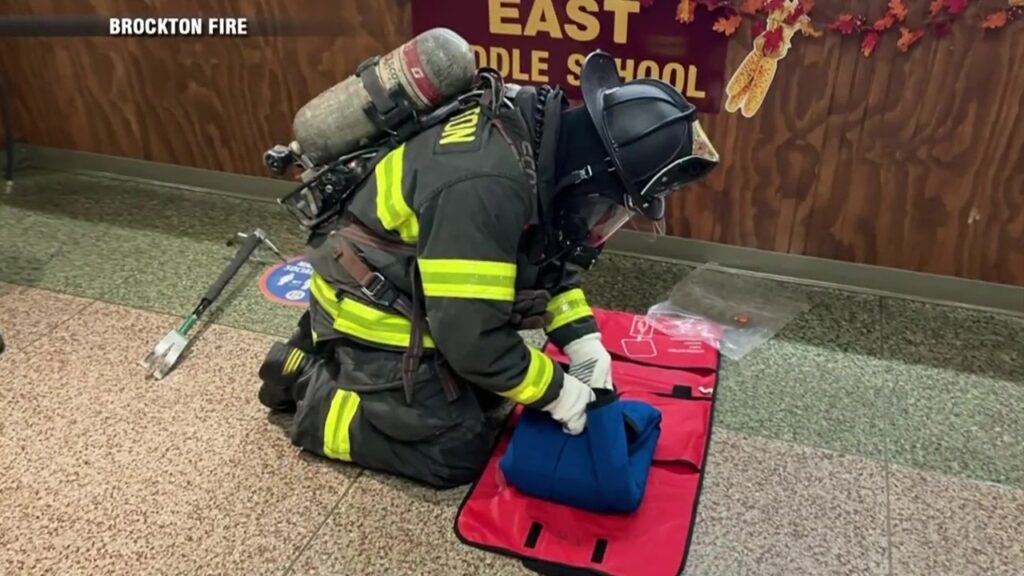
6. Remove the Contained Device From the Building
- Carry or transport the wrapped device outside the structure using approved methods.
- Move it to a designated isolation area (e.g., non-combustible ground surface, secure outdoor location).
- Monitor the device—thermal runaway can reoccur even after removal.
7. Declare the Area a Hazmat Scene
- Lithium-ion battery failures produce toxic byproducts, particulates, and corrosive gases.
- Fire crews should notify:
- Hazmat
- Environmental or property restoration specialists
- Building management or owner
8. Initiate Environmental Decontamination
CESAT recommends the following after any thermal runaway event:
a. Environmental Cleanup
- Engage certified environmental cleanup crews to conduct:
- Contaminated debris removal
- Surface cleaning of affected rooms
- Air scrubbing and particulate removal
b. HVAC and Ductwork Cleaning
- Lithium-ion off-gassing particulates often migrate through ventilation systems.
- A full HVAC and ductwork cleaning is advised before re-occupancy.
c. Full Facility Cleaning
- Perform a thorough building-wide cleaning, with focus on:
- Carpets and soft furnishings
- Hard surfaces
- Electronics and appliances exposed to smoke or vapors